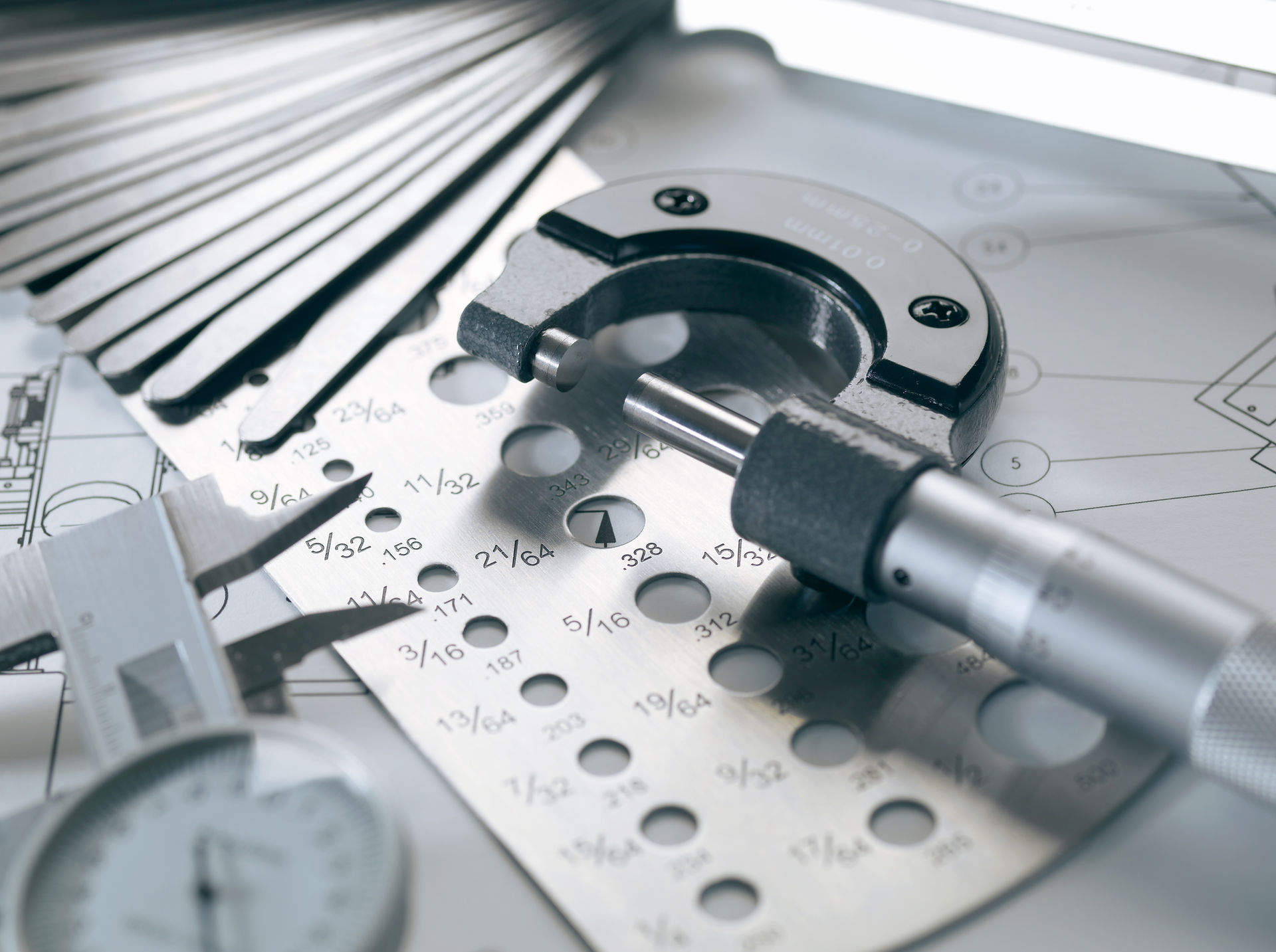

High-Precision Plastic Machining: Simple Parts Are Not Always Easy

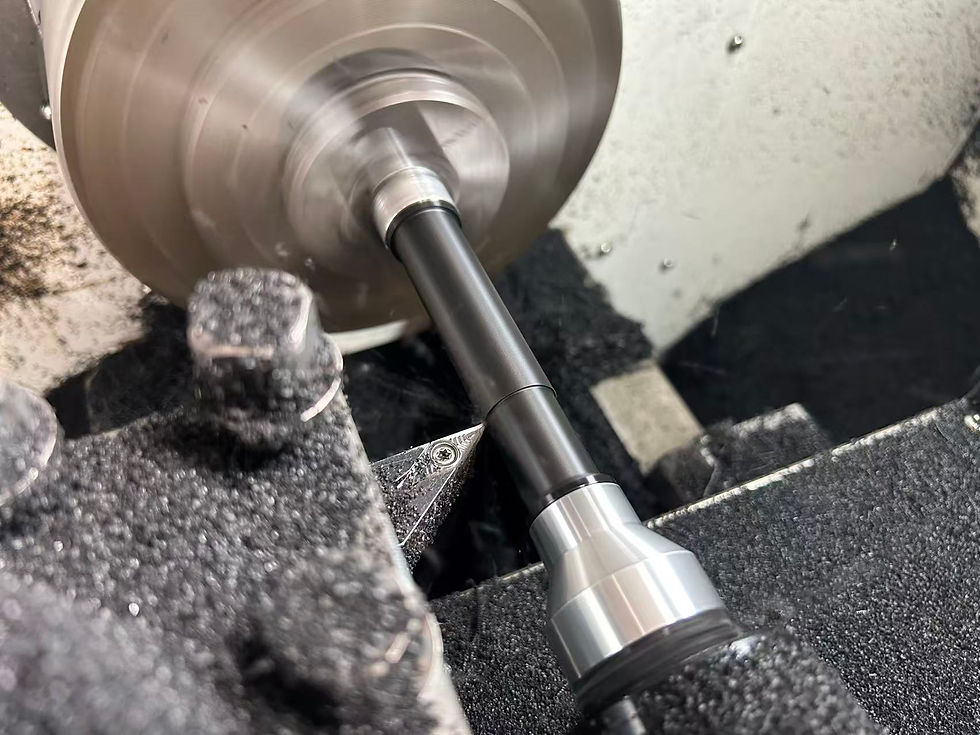
Plastic parts often look simple on a drawing.
Compared with stainless steel, aluminum, or brass components, many plastic parts do not look very complicated. The material is softer, the shape may be simple, and the part may only have a few critical dimensions.
But in real CNC machining, plastic is not always easy.
At Mastro Machine Shop, we have machined many precision plastic components for mechanical assemblies, industrial equipment, optical products, automation systems, and custom applications. Some parts look very simple at first glance, but they still require careful machining, stable workholding, and proper inspection.
For high-precision plastic parts, the difficulty is often not the shape itself.
The real challenge is controlling the material.
Plastic can deform during machining
Plastic materials behave very differently from metal.
They can deform during clamping. They can expand from heat. They can move slightly after machining. They can create soft burrs or stringy chips. Thin sections can become unstable during cutting.
This is why machining plastic is not only about using a CNC lathe or milling machine. It is also about understanding how the material reacts during the process.
For example, if the clamping force is too strong, the part may become slightly out of round. It may look correct while it is still held in the chuck, but after releasing it, the dimension may change.
If the cutting tool is not sharp enough, the surface may not be clean. Instead of cutting smoothly, the material may be pushed, bent, or slightly deformed.
These are small details, but they can affect the final part quality.
Precision Is More Than Just Size
For many plastic components, checking the basic dimensions is not enough.
A part may have the correct outer diameter, inner diameter, or length, but still fail in the real assembly because of poor concentricity, bad roundness, burrs, or unstable fit.
This is especially important for parts that need to rotate, slide, align, or fit with shafts, bearings, pins, or other mechanical components.
In these cases, the question is not only:
“Is the size correct?”
The better question is:
“Will this part work smoothly after assembly?”
That is where machining experience becomes important.
Workholding Matters a Lot
For precision plastic parts, workholding is often one of the key points.
Plastic is easier to deform than metal, so the setup must be planned carefully. Depending on the part, we may need to adjust the clamping method, cutting sequence, tool sharpness, and finishing process.
Sometimes, a part cannot be finished well by simply clamping it once and cutting everything quickly. It may require step-by-step machining, leaving material for final finishing, or using a better reference surface to control accuracy.
This is especially true for parts that require good concentricity, tight fit, or smooth movement. A simple looking plastic part can still require a serious machining plan.
Different Plastics, Different Problems
Not all plastics machine the same way.
POM / Delrin is commonly used for precision parts because it is stable and machines well.
Nylon can be strong and useful, but it may absorb moisture and change dimension more easily.
PTFE is soft and slippery, but it can be difficult to hold tight tolerances.
PEEK is strong and suitable for high-performance applications, but it is more expensive and needs careful machining.
UHMW has good wear resistance, but because it is soft and flexible, it can be harder to machine cleanly.
Choosing the right material is not only a design decision. It also affects the machining result, tolerance control, cost, and long-term performance.
Surface Finish and Burr Control
For plastic parts, burr control is very important.
Plastic burrs can be difficult to remove cleanly because some materials do not break like metal chips. A small burr may affect assembly, create friction, or damage another component.
Surface finish also matters, especially when the part needs to slide, rotate, seal, or contact another moving part.
Good plastic machining is not only about cutting the shape. It is about making the part ready for real use.
Why Supplier Experience Matters
For buyers looking for precision plastic machining, it is important to work with a CNC supplier who understands both machining and plastic materials.
A good supplier should pay attention to:
Critical dimensions, Concentricity, Roundness, Clamping deformation, Surface finish, Burr control, Material behavior, Final assembly requirements.
At Mastro Machine Shop, we focus on practical machining details. We have extensive experience in precision plastic machining. Plastic parts may look simple, but high precision plastic machining requires experience.
For projects that require precision plastic turned parts, milled plastic components, or custom CNC-machined plastic parts, choosing the right machining supplier can make production much smoother.
At Mastro Machine Shop, we support customers with precision CNC machining for plastic and metal components, from medium to large volume production.
Feel free to contact for more information!


Comments